Research Article
Integrated Aquaculture and Aquaponics in Africa: Current Status, Performance, and Prospects for Sustainable Development 
 ,
Arnauld Sèdjro Martin Djissou
 ,
Sâa Moussa Kamano ,
Mohammed Nambyl Adéoti Fagbémi ,
Kandè Bangoura
2 Guinea Maritime and Coastal Research Centre, Conakry, Guinea
Author Correspondence author
International Journal of Aquaculture, 2026, Vol. 16, No. 5
Received: 01 Sep., 2026 Accepted: 15 Oct., 2026 Published: 24 Oct., 2026
Driven by the combined pressures of population growth, water scarcity, land degradation, and climate change, integrated aquaculture and aquaponics are emerging as promising avenues for sustainable intensification in Africa. This review assesses the status of these two approaches across the continent, compares their technical, economic, environmental, and social performance, identifies constraints and innovations, and proposes a sustainable development framework linked to the Sustainable Development Goals. The methodology follows PRISMA guidelines, applied to six databases (Web of Science, Scopus, ScienceDirect, SpringerLink, Wiley Online Library, Google Scholar) covering the period 2010-2026. After removing duplicates and screening titles and abstracts, 133 documents were read in full, and 56 were selected for the synthesis, a retention rate of approximately 42%. The body of literature reveals significant geographical disparity: Egypt, South Africa, Kenya, and Nigeria account for many publications and pilot projects, whereas Central Africa and much of Francophone West Africa remain under-documented. Nile tilapia and African catfish are the dominant species, paired in aquaponics systems with leafy vegetables and tomatoes. Zootechnical performance generally matches that of conventional intensive systems, offering water savings of 70% to over 95% and effective effluent utilization; however, profitability remains inconsistent, hampered by investment costs and energy instability. While the potential to enhance food security, nutrition, employment (particularly for youth and women), and climate adaptation is substantial, it is constrained by technical, institutional, financial, and training-related barriers. The proposed framework integrates local resources, appropriately scaled governance, frugal innovation, and social inclusion.
1 Introduction
In 2024, global aquaculture production of aquatic animals (excluding algae) exceeded 100 million tonnes for the first time, reaching 103 million tonnes and accounting for 53% of total aquatic animal production, with a first-sale value of about US$371 billion (FAO, 2026); aquaculture had already overtaken capture fisheries as the main source of aquatic animals in 2022 (FAO, 2024a). In Africa, the sector has expanded rapidly, growing by 455% since 2000 (FAO, 2024a), driven mainly by Egypt, Nigeria, Uganda, Ghana, and Kenya (Adeleke et al., 2020a). This dynamism nevertheless remains modest on a global scale: the continent accounts for only 7% of world aquatic production, compared with 70% for Asia, and employment in Africa accounts for approximately 10% of the sector's jobs worldwide (FAO, 2024b).
This growth is occurring against a backdrop of acute food vulnerability: per capita availability of aquatic foods in sub-Saharan Africa is expected to continue declining by 2032 owing to population growth outpacing production growth (FAO, 2024a). Yet fish provides high-quality animal protein and nutrients important to food-insecure populations, including omega-3 fatty acids, vitamin D, iodine, and zinc. Africa's aquaculture sector is also a source of direct and indirect employment (production, processing, marketing, input manufacturing), particularly for women and rural youth, in a context where conventional rainfed agriculture is increasingly weakened by climate variability.
Climate change intensifies the constraints facing African food-production systems while also increasing demand for resource-efficient technologies. More frequent droughts, the salinization of coastal soils and aquifers, and freshwater scarcity are encouraging the development of systems capable of producing fish and plants within the same production unit while sharing water and nutrient resources.
Integrated aquaculture systems are based on the principle of the circular economy applied to food production: the by-products of one compartment (fish effluents rich in nitrogen and phosphorus, agricultural by-products, animal manure) become inputs for another compartment (crop production, fish farming, insect rearing). This circular (and, in practice, only partially closed-loop) logic of material and energy flows can improve the efficiency of water, nutrient, and land use, reduce dependence on costly external inputs (mineral fertilizers, imported feed), and limit pollutant discharge into the environment. The degree of closure, and hence the resource savings achieved, varies considerably among designs.
Compared with compartmentalized production, integrated systems may improve economic resilience by diversifying farm income and making more efficient use of water, nutrients, land, and family labor. Examples include rice-fish farming, fish-vegetable farming, fish-livestock integration, and aquaponics (Goh Ling Ling et al., 2024; Akowuah et al., 2025). These characteristics make integrated systems particularly relevant to the small-scale farms that dominate much of Africa's agricultural sector.
Aquaponics is a highly integrated and technology-intensive form of food production. Within a recirculating hydraulic system, it combines an aquatic-animal rearing unit with a soilless plant-production unit, supported by microbial nitrification and, depending on the design, one or more biofilters. Modern aquaponic systems were developed in North America during the 1970s and 1980s and have spread globally since the mid-2000s in response to concerns about water security, urban and peri-urban agriculture, and resource-efficient food production (Okomoda et al., 2023).
In Africa, aquaponics remains an emerging technology: a benchmark synthesis reported 85 country-level publication records across 15 countries, with Egypt, South Africa, Kenya, and Nigeria accounting for the bulk of the work, while Francophone West Africa and Central Africa remain largely under-documented (Obirikorang et al., 2021). Interest in aquaponics on the continent reflects reported water savings of up to 90% in recirculating designs under specific operating conditions (Ibrahim et al., 2023) and the potential to produce animal protein and vegetables simultaneously on small areas, including in urban and peri-urban settings, while offering an alternative to chemical inputs in areas where soils are degraded or saline.
Previous African syntheses have focused mainly on aquaponics alone (Obirikorang et al., 2021) or on the development of the aquaculture sector in selected countries (Adeleke et al., 2020a). The present review extends them in three ways: it considers integrated aquaculture and aquaponics jointly; it compares biological, agronomic, economic, environmental, and social performance within a single framework; and it links these findings to constraints, innovation pathways, and the Sustainable Development Goals.
This systematic review has four objectives: (i) to provide a geographic and technical overview of integrated aquaculture and aquaponics in Africa; (ii) to synthesize the reported fish-production, agronomic, economic, environmental, and social performance of these systems; (iii) to analyze the constraints and recent innovations shaping their development; and (iv) to propose a conceptual framework for sustainable development suited to the African context and linked to the Sustainable Development Goals (SDGs).
2 Materials and Methods
2.1 Information sources and search strategy
The review process was reported in accordance with the PRISMA 2020 guidelines (Page et al., 2021). Six information sources were searched: Web of Science Core Collection, Scopus, ScienceDirect, SpringerLink, Wiley Online Library, and Google Scholar. Google Scholar was also used to identify supplementary gray literature, including reports from FAO, WorldFish, and the African Union and relevant conference proceedings. Boolean combinations of keywords in French and English were applied to title, abstract, and keyword fields:
System terms: « aquaculture intégrée » / “integrated aquaculture”, « aquaponie » / “aquaponics”, « agriculture-aquaculture intégrée » / “integrated agriculture-aquaculture (IAA)”, « rizipisciculture » / “rice-fish farming”, “biofloc”, “recirculating aquaculture system (RAS)”, “multitrophic aquaculture (IMTA)”.
Geographic terms: « Afrique » / “Africa”, « Afrique subsaharienne » / “Sub-Saharan Africa”, “Egypt”, “Nigeria”, “Kenya”, “Ghana”, “Uganda”, “South Africa”, etc.
Performance/sustainable development terms: “zootechnical performance”, “economic performance”, “environmental impact”, “food security”, “employment”, “gender”, “Sustainable Development Goals”, “SDG”.
Innovation terms: “biofloc”, “Black Soldier Fly”, “Azolla”, “microalgae”, “Internet of Things (IoT)”, “artificial intelligence”, “renewable energy”, “automation”.
Example of a combined search string: ("aquaponics" OR "integrated aquaculture" OR "integrated agriculture-aquaculture") AND ("Africa" OR "sub-Saharan Africa") AND ("performance" OR "sustainability" OR "food security" OR "SDG").
The final search was conducted in June 2026. Records from all sources were exported to a reference manager Mendeley Cite, and duplicates were removed automatically and then checked manually by title, authors, year, and DOI. Titles and abstracts were screened first, followed by full-text assessment against the inclusion and exclusion criteria.
2.2 Inclusion criteria
Eligible documents were published between January 2010 and the final search date in 2026 and explicitly addressed integrated aquaculture and/or aquaponic systems implemented, tested, or analyzed in Africa, including research-station trials, pilot farms, and development projects. Eligible sources included peer-reviewed journal articles, scientific book chapters, completed theses and dissertations, and technical reports from international organizations such as FAO, WorldFish, the African Union, and ECOWAS. Documents were required to report quantitative and/or qualitative evidence on at least one of the following performance dimensions: fish production, crop production, economic performance, environmental performance, or social performance; documents reporting evidence on constraints and innovations affecting the sector were also eligible. Only documents written in English or French were eligible, in line with the bilingual search strategy.
2.3 Exclusion criteria
Studies conducted outside Africa were excluded except when they were used for explicit international comparisons. Studies published before 2010, popular articles without a verifiable scientific basis, non-technical blog posts, press releases, duplicate publications based on the same dataset, and conference abstracts without usable data were also excluded.
2.4 Selection process and final corpus
The process of identification, selection, eligibility assessment, and inclusion was formalized according to the PRISMA flow diagram presented in Figure 1. A total of 1,840 records were identified in the six sources; after the removal of 600 duplicates, 1,240 titles and abstracts were screened, of which 1,107 were excluded. The remaining 133 documents were assessed in full text for eligibility against the inclusion and exclusion criteria (a full-text eligibility assessment; no formal scored quality-appraisal tool was applied). Of these, 77 were excluded (outside the geographic scope, duplicate results, absence of quantitative or qualitative evidence, or insufficient methodological information), and 56 documents were retained for the final synthesis, a retention rate of 42.1% (56/133) at the full-text assessment stage. The retained corpus consists mainly of empirical articles (zootechnical or agronomic trials at research stations or on farms), supplemented by review articles, institutional reports, and a few scientific conference proceedings. Only these 56 documents constitute the formal review corpus; other sources cited in the article provide background or contextual information.
|
Figure 1 PRISMA flow diagram of document selection (identification, screening, eligibility, inclusion) (Adapted from Page et al., 2021) |

3 Concepts and Classification of Systems
3.1 Integrated aquaculture: definitions and forms
Integrated aquaculture (Integrated Agriculture-Aquaculture, IAA) refers to the set of production systems that combine, on the same farm or within the same watershed, the rearing of aquatic organisms with other agricultural activities (crop production, livestock farming, forestry), to create complementary material and energy flows between compartments. A distinction is traditionally made between horizontally integrated systems (juxtaposition of activities exchanging by-products, for example fish farming-market gardening or fish-pig/poultry farming) and vertically integrated or closed-loop systems, in which the effluent from one compartment directly feeds another compartment via a dedicated hydraulic circuit (aquaponics, integrated multitrophic systems).
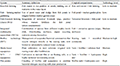
Operational definition adopted in this review. Because the systems listed in Table 1 differ in their degree of integration, a production system is considered integrated here when at least two compartments are deliberately coupled so that the by-products of one (effluent, sludge, manure, or microbial biomass) serve as inputs to another, whether the second compartment is agricultural (crops, livestock), aquatic (extractive species such as filter-feeding mollusks and algae), or microbial. Under this definition, rice-fish farming, fish farming-market gardening, fish-livestock farming, integrated multitrophic aquaculture (IMTA), and aquaponics (media-based and NFT/DWC) are integrated systems. Biofloc technology (BFT) is treated as a borderline case, integrated in a broad sense only: it recycles nitrogen internally through a suspended microbial compartment within the rearing unit, and is therefore a nutrient-recycling and water-saving intensification technology rather than a combination of aquaculture with another agricultural activity. It is retained in this review because it falls within the resource-recycling logic of integrated systems and was part of the search strategy, but it is considered fully integrated only when coupled with a plant-production compartment (floc-ponics, Table 1). Evidence on BFT alone is therefore interpreted as evidence for a nutrient-recycling component, not for an integrated system in a strict sense.
|
Table 1 Definitions and classification of integrated aquaculture and aquaponics systems (Udanor et al., 2022; Li et al., 2025) |
3.2 Aquaponics: concept and operating principles
Aquaponics is a recirculating food-production system that combines the culture of aquatic organisms with the soilless cultivation of plants. Microbial communities convert ammonia excreted by aquatic animals into nitrite and subsequently nitrate, which can be absorbed by plants. Depending on the system design, nitrification occurs in a dedicated biofilter or within the plant-growing media. Plants remove part of the dissolved nutrients before the water is returned to the aquatic-animal rearing unit. Three main configurations are commonly reported: deep-water culture (DWC), nutrient film technique (NFT), and media-based systems. Hybrid configurations, including systems coupled with biofloc technology, are also being developed. In practice, aquaponic systems are only partially closed: water is lost through evaporation, plant transpiration, sludge removal, and system flushing, and nutrients often have to be supplemented, so that water-reuse and nutrient-recycling performance differ among designs (for example, recirculating NFT or DWC units versus media-based beds). The main system types and their distinguishing characteristics are summarized in Table 1.
4 Current status in Africa
4.1 Geographic distribution
A benchmark synthesis by Obirikorang et al. (2021) reported a strong geographic concentration of publications: it identified 85 country-level publication records on aquaponics and integrated aquaculture across 15 African countries (Figure 2), with Egypt (23 publications), South Africa (20), Kenya (14), and Nigeria (9) alone accounting for about 78% (66 of 85) of the recorded publications, while the other countries (Uganda, Ghana, Tunisia, Morocco, Ethiopia, Côte d'Ivoire, Cameroon, Zambia, Rwanda, DR Congo, Tanzania) appear only through a limited number of publications (1 to 3 each). This heterogeneity largely mirrors the level of development of conventional aquaculture in each country: Egypt, Africa's leading aquaculture producer, makes use of aquaponics and rice-fish farming in response to freshwater scarcity in arid areas (Goda et al., 2015; Ibrahim et al., 2023); Nigeria, Uganda, and Ghana combine rapidly growing inland aquaculture (Adeleke et al., 2020a; Ogunji and Pueppke, 2023) with pilot trials of urban and peri-urban aquaponics (Benjamin et al., 2020; Udanor et al., 2022); Kenya and South Africa are developing structured programs combining university research, public extension services, and youth entrepreneurial initiatives.
|
Figure 2 Country-level distribution of publications on integrated aquaculture and aquaponics in Africa, Based on Obirikorang et al. (2021) and updated literature records |

4.2 Farmed aquatic species
Nile tilapia (Oreochromis niloticus) dominates African integrated and aquaponic systems by a wide margin, owing to its hardiness, its tolerance of variations in water quality and temperature, its rapid reproductive cycle, and its wide natural distribution across West African river basins (Lind et al., 2019). African catfish (Clarias gariepinus) is the second most widely used species, valued for its resistance to high stocking densities and low dissolved oxygen levels, making it a species of choice for systems with a high organic load (biofloc, RAS). Carp (Cyprinus carpio, Chinese carp) are used more marginally, mainly in North Africa and in some rice-fish farming systems. Shrimp and prawn farming (freshwater shrimp and penaeids) remains underdeveloped in African integrated systems and is limited to a few coastal trials in East and southern Africa.
4.3 Associated plant crops
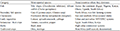
Lettuce (Lactuca sativa) is the most reported crop in African aquaponics studies, owing to its short cycle, low nutrient requirements, and strong commercial value in urban areas. Tomato (Solanum lycopersicum) and basil (Ocimum basilicum) follow, valued for their profitability and suitability for NFT systems. Cucumber (Cucumis sativus), okra (Abelmoschus esculentus), an emblematic West African crop, and spinach (Spinacia oleracea) and local leafy vegetables such as amaranth round out the range of species tested. A limited body of research has examined the adaptation of traditional African crops (okra, amaranth, moringa) to aquaponic conditions, even though these species show strong nutritional and cultural potential. The main aquatic and plant species reported in these systems are summarized in Table 2.
|
Table 2 Main aquatic and plant species used in integrated/aquaponic systems in Africa (Mchunu et al., 2018; Ouko et al., 2023; Ibrahim et al., 2023; Farm Africa, 2024; Madkour et al., 2025; Mthiyane, 2025) |
4.4 System performance
4.4.1 Zootechnical performance
Growth performance reported for Tilapia and catfish in integrated or aquaponic systems was generally comparable to that in well-managed conventional tanks and was sometimes better, provided water quality (dissolved oxygen, ammonia, pH) is controlled. Reported feed conversion ratios (FCR) for tilapia in the reviewed studies generally range between about 1.2 and 1.8, depending on diet, stocking density, temperature, and system design; for example, FCR values of 1.28 for Nile tilapia and 1.42 for African catfish (monoculture units), against a cumulative FCR of 0.90 for the whole multi-trophic system, were recorded in 147-day solar-powered IMTA-aquaponic trials in Egypt (Goda et al., 2024). Survival rates above 85% have been reported in biofloc trials and in RAS coupled with aquaponics, but values differ widely among studies and depend on water-quality control, stocking density, and system scale, so comparisons with conventional production should remain conditional on these factors (Oladimeji et al., 2020). Tilapia-Clarias co-culture trials in aquaponics showed no significant negative effect on the growth of either species, or on water quality, suggesting potential for system diversification (Fidji et al., 2025). In African catfish (Clarias gariepinus), controlling the carbon-to-nitrogen (C/N) ratio in biofloc systems significantly influences growth and disease resistance (Dauda et al., 2018; Mugwanya et al., 2021).
4.4.2 Agronomic performance (plant production)
Plant yields in aquaponics depend heavily on nutrient availability (particularly potassium and iron, which are often limited in aquaponic process water) and on pH control. Comparative studies between conventional hydroponics and aquaponics report broadly similar lettuce yields, with results varying according to the mineral supplementation applied. Trials integrating tilapia with crops such as wheat and sugar beet on saline soils show positive effects of fish effluent on crop growth and yield, compared with chemical fertilization alone (Madkour et al., 2025; Irabor and Begho, 2026).
4.4.3 Economic performance
Available economic analyses for West Africa (SANFU case study, Lagos, Nigeria; Benjamin et al., 2020) and for southern Africa (South Africa; Maucieri et al., 2021; Adeleke, 2020b), supported by evidence from small-scale systems elsewhere (Lobillo-Eguíbar et al., 2020), converge on a common finding: the economic viability of small-scale aquaponics is often constrained by the initial investment cost (structures, pumps, aeration) and by energy costs, although it may improve over the medium term through dual production (fish and vegetables) and reduced input costs (water, fertilizer). Larger-scale, better-capitalized systems may achieve faster returns on investment but remain uncommon. In West Africa, the SANFU pilot study in Lagos provides a quantitative illustration: a prototype built with imported components had a net discounted benefit-cost rate (DBCR) of 0.08 over 20 years, against 1.12 for a similar system built with locally sourced components (Benjamin et al., 2020, as summarized by Obirikorang et al., 2021). This is a descriptive comparison of two configurations from a single pilot study, and no statistical test is reported for the difference, which should therefore be read as indicative rather than as a statistically demonstrated effect. Economic outcomes therefore remain conditional on system scale, energy costs, the origin of construction materials, and market access.
4.4.4 Environmental performance
A major documented environmental benefit is improved water-use efficiency: recirculating aquaponic systems can achieve water-use efficiency gains of up to about 90% compared with conventional production (Ibrahim et al., 2023), although actual reuse rates depend on system design, climate, and sludge and discharge management and are not equally high across designs; this is a major asset in arid and semi-arid regions (Egypt, the Sahel). Effluent recovery also reduces nitrogen and phosphorus discharge into the environment compared with conventional flow-through ponds (Goda et al., 2024). Greenhouse gas balances remain poorly documented in the African context and constitute an important research gap, particularly for systems dependent on pumps powered by electricity grids dominated by fossil fuels or by generators.
4.4.5 Social performance
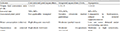
Acceptability and perception studies, including research in Ethiopia on willingness to pay a premium for aquaponic products, indicate growing interest among urban consumers in these products, perceived as healthier and more sustainable. Initiatives such as the YISA programs in Kenya and school-based aquaponics programs support the participation of young people and women, job creation, and technical-skills development (Odende et al., 2022; Opiyo et al., 2023; Outa et al., 2024; Kaminski et al., 2024). However, access to land, credit, and training remains unevenly distributed by gender and age (Adam and Njogu, 2023; Mudashiru et al., 2025; Ouko et al., 2026). Selected fish-production and agronomic performance ranges are summarized in Table 3.
|
Table 3 Comparative summary of reported fish-production and agronomic performance (indicative ranges from the reviewed corpus; values depend on species, stocking density, feed, water quality, energy supply, and system scale, and are not directly comparable across studies) |
5 Nutrient Management
The performance and sustainability of integrated systems depend on effective management of nitrogen, phosphorus, and carbon cycles between compartments (Mugwanya et al., 2021; Goda et al., 2024). Nitrogen ingested by fish in protein form is largely excreted as ammonia, converted through microbial nitrification into nitrite and then nitrate, a nitrogen form directly assimilable by plants. Nitrification concerns only the nitrogen pathway; it does not transform phosphorus, which is excreted mainly in particulate form (feces and uneaten feed) and is released as dissolved phosphate essentially through the mineralization of solids. Phosphorus often accumulates in sludge and requires specific management (settling, composting, recovery as solid fertilizer). Organic carbon, supplied by uneaten feed and feces, feeds both heterotrophic bacterial biomass (particularly in biofloc systems) and, after composting or anaerobic digestion, can be recovered as organic soil amendment or biogas (Oyebola and Olatunde, 2019; Maulu et al., 2021). These nutrient pathways are illustrated in Figure 3.
|
Figure 3 Simplified nitrogen, phosphorus, and carbon pathways in an aquaponic or integrated aquaculture system. Nitrogen follows the nitrification sequence NH3/NH4+ → NO2- → NO3-, whereas phosphorus is released as dissolved phosphate mainly through the mineralization of sludge. Prepared by the authors, based on the processes described in Goda et al. (2024) and Mugwanya et al. (2021) |

6 Constraints on System Development
6.1 Technical and climatic constraints
Control of water quality (ammonia, nitrite, dissolved oxygen, pH) remains the main technical challenge reported, particularly for producers with little training in biofilter management. Micronutrient imbalances (potassium, iron, calcium) in aquaponic process water limit plant yields and require technical adjustments that small producers struggle to master.
Large daily temperature fluctuations and the instability of the electricity supply (essential for pumping and aeration) expose integrated systems, particularly aquaponic systems, to the risk of mass mortality in the event of a prolonged power outage.
6.2 Economic, social, and institutional constraints
The initial investment cost (structures, pumping and aeration systems) and the cost of commercial feed (which has been reported to account for about 70 to 80% of production costs for smallholders in Kenya rearing Nile tilapia and African catfish in basic ponds, the share varying with production system, region, and feed price; Soma et al., 2025) are major barriers to adoption, in the absence of suitable credit mechanisms.
The shortage of specialized technical training, the limited dissemination of knowledge beyond pilot areas, and gender-based inequalities in access to land and credit limit widespread uptake of these technologies by the most vulnerable producers (Barragán-Fonseca et al., 2023).
The absence of specific regulatory frameworks (legal status, quality standards, organic certification) hampers the development of commercial value chains, particularly regarding access to export markets or quality labels already used elsewhere in the world.
7 Recent innovations
Several technological and biological innovations may support the development of integrated aquaculture in Africa by addressing some of the technical and economic constraints identified above.
Digitalization, IoT, and sensors: the deployment of low-cost water-quality monitoring sensors (dissolved oxygen, pH, temperature, ammonia) coupled with mobile alert systems is beginning to equip small-scale aquaponic systems, with reported effects on resource efficiency and profitability (Zamnuri et al., 2024); comparable IoT data-collection devices for aquaponic tanks have been tested in Nigeria (Ugwoke and Ome, 2021; Udanor et al., 2022).
Artificial intelligence: predictive models for water quality and growth are beginning to be tested, although their adoption remains embryonic in Africa owing to a lack of stable digital infrastructure;
Renewable energy: coupling aquaponic systems with pumps and aerators powered by off-grid solar energy (for example, the SAP-Sys program in Lagos) reduces dependence on an unstable electricity grid and improves operational resilience; similar trials coupling integrated multitrophic systems (IMTA), aquaponics, and solar power have been reported in Egypt (Goda et al., 2024).
Insects and black soldier fly (BSF, Hermetia illucens): production of BSF larvae from organic waste can provide a locally produced protein meal, with reported feed-cost reductions of up to 30% and recovery of more than 85% of the organic waste volume treated (Benin, Ghana; Kenya, ABDP program; Kals et al., 2024; Anokye, 2025);
Azolla: the fast-growing aquatic fern Azolla pinnata has become the alternative ingredient most widely adopted by small-scale Kenyan fish farmers under the ABDP program, ahead of BSF, duckweed (Lemna minor), and earthworm (Eisenia fetida) (Yohana et al., 2023)
Microalgae: their integration as a feed supplement or as a complementary biological filter within multitrophic systems remains largely at an experimental stage on the continent;
Biofloc: biofloc technology, which recycles nitrogen directly in the rearing tank via a suspended bacterial community, is gaining ground particularly in Egypt and South Africa, with demonstrated positive effects on tilapia growth, survival, and health status (Sallam et al., 2024; Li et al., 2025);
Automation: automation of feeding and hydraulic control remains marginal, confined to the most well-capitalized farms or research stations.
8 Critical Comparison with Other Regions of the World
Compared with Asia - particularly China, Vietnam, and India, where aquaculture production and integrated farming have a long history - and with North America and Europe, where technology-intensive commercial aquaponics is more established, adoption in Africa is more recent and fragmented and remains strongly associated with research and development pilot projects. The systematic review on IoT in small-scale aquaponics notes that the United States, China, and Europe account for most of the world's publications on the subject, with Africa ranking only fourth (Zamnuri et al., 2024).
This situation is partly explained by an infrastructure deficit (electricity, inputs, cold chains), by limited access to the long-term financing needed for techno-economic demonstration phases, and by local scientific research that remains poorly funded on these topics. It is also explained, more positively, by a different agroecological context: in some African regions (for example, parts of the humid tropics), the availability of land and water is less constraining than in Asia or the Middle East, a context that has long favored extensive forms of integrated aquaculture (rice-fish farming, fish-livestock farming) over intensive forms such as aquaponics, although this varies considerably across the continent: land and water are severely limited in arid and semi-arid zones (North Africa, the Sahel, southern Africa), where water-saving systems are most relevant (Obirikorang et al., 2021; Ibrahim et al., 2023). Recent technological progress since the mid-2010s, driven by falling costs of sensors and solar equipment, nevertheless opens a window of opportunity for development that is faster and better adapted to the local context than in the historical Asian or Western trajectories.
9 Contribution to the Sustainable Development Goals
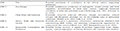
Integrated aquaculture and aquaponics may contribute to several SDGs of the 2030 Agenda, with the most direct potential contributions relating to six goals (Troell et al., 2023; Haque and Mahmud, 2025): food security and nutrition (SDG 2), sustainable water management (SDG 6), inclusive employment and economic growth (SDG 8), responsible consumption and production (SDG 12), climate action (SDG 13), and the conservation of aquatic life (SDG 14). These contributions are potential benefits rather than automatic outcomes: they depend on responsible feed sourcing, effluent control, disease management, escape prevention, and appropriate local implementation. The potential links between these systems and the SDGs are summarized in Table 4.
|
Table 4 Potential contribution of integrated aquaculture and aquaponics systems to the SDGs (conditional on responsible implementation) |
10 Conceptual framework for sustainable development suited to the African context
The conceptual framework below is the authors’ own synthesis rather than an empirically validated model: it organizes the evidence reviewed in Sections 4 to 9 into four interdependent pillars intended to guide the sustainable development of integrated aquaculture and aquaponics in Africa. For each pillar, the evidence drawn directly from the reviewed literature is distinguished from the authors’ synthesis (the proposed priorities and instruments, which were not tested in the reviewed studies):
Pillar 1: Grounding in local resources and knowledge
Prioritize aquatic and plant species for which local production knowledge is already available (tilapia, Clarias, okra, traditional leafy vegetables), alternative inputs produced on-site (BSF, Azolla, compost), and “frugal”, low-cost, repairable technologies suited to the technical skills available at household or cooperative level. Evidence from the review: the dominance of Nile tilapia and African catfish, the limited documentation of traditional crops such as okra and moringa, and the use of BSF and Azolla as locally produced inputs. The prioritization of these species and inputs, and of low-cost, repairable technologies.
Pillar 2: Appropriately scaled governance and value-chain security
Develop clear regulatory frameworks (land tenure status, health standards, certification), financing mechanisms suited to small producers (warehouse-receipt credit, group guarantees, targeted subsidies for initial investment), and technical extension services linked to national and regional research centers. The absence of specific regulatory frameworks, the cost of investment and feed, the lack of suitable credit mechanisms, and the shortage of technical training. The specific instruments proposed (warehouse-receipt credit, group guarantees, targeted subsidies, and extension services linked to research centers), which were not tested in the reviewed studies.
Pillar 3: Frugal innovation and climate resilience
Foster the coupling of integrated systems with decentralized renewable energy (off-grid solar), low-cost water-quality monitoring sensors, and diversification of alternative protein sources, to reduce the vulnerability of systems to climatic and energy shocks. The technical and climatic constraints, including the unstable electricity supply, and the reported trials of solar-powered systems, low-cost sensors, and alternative protein sources. The proposal is to combine these innovations as a package to reduce vulnerability to climatic and energy shocks.
Pillar 4: Social inclusion and equity
Promote equitable access for women and young people to land, credit, and technical training; structure employment and entrepreneurship value chains around input production (BSF, fingerlings), processing, and marketing, building on existing associative and cooperative dynamics. Evidence from the review: the participation of young people and women in existing programs and their unequal access to land, credit, and training. The proposed structuring of employment and entrepreneurship value chains around input production, processing, and marketing.
These four pillars are organized around the principle of circular resource looping (water, nutrients, energy, organic matter), which underline many of the integrated and aquaponic systems identified in this review and provides a foundation for productive, resilient, and inclusive development pathways. The framework is summarized in Figure 4. The pillar labels in Figure 4 are abbreviated versions of the pillar titles above, and its expected outcomes (SDGs 2, 6, 8, 12, 13, and 14) correspond to the potential contributions in Table 4; they are conditional on responsible implementation and are not outcomes demonstrated by the reviewed studies.
|
Figure 4 Conceptual framework for the sustainable development of integrated aquaculture and aquaponics in Africa: four interdependent pillars organized around the cross-cutting principle of circular resource looping, with the expected (potential) outcomes. |

11 Summary of Advantages, Limitations, and Research Priorities
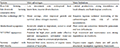
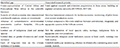
The comparative advantages and limitations of the main systems, along with the principal evidence gaps and related research priorities, are summarized in Table 5 and Table 6.
|
Table 5 Comparative advantages and limitations of the main systems (Adeleke, 2020b; Pinho et al., 2022) |
|
Table 6 Main gaps in literature and associated research priorities |
12 Development Prospects
Looking ahead, local applied research capacity should be strengthened in nutrition, nutrient management, animal health, and the adaptation of indigenous species, thereby reducing dependence on evidence from other agroecological contexts (Abaho et al., 2025). The dissemination of frugal innovations, including BSF, Azolla, low-cost sensors, and off-grid solar technologies, should be supported through practical demonstrations and experience-sharing among producers. Clear national and regional regulatory frameworks should also be developed for integrated aquaculture and aquaponics, including provisions on land tenure, health standards, and tax incentives, in line with the Blue Transformation strategies promoted by FAO and the African Union. Integrated aquaculture and aquaponics should also be included in agricultural and fisheries training curricula, supported by continuing-education programs for producers and extension officers.
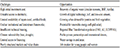
Access to finance should be expanded through instruments such as microcredit, group guarantees, impact funds, and partnerships with international donors, particularly for young entrepreneurs and women. Partnerships among research centers, international organizations such as FAO and WorldFish, governments, and the private sector should be strengthened to accelerate the local transfer of validated technologies. The development of private input supply chains for certified fingerlings, alternative feeds, and low-cost equipment, together with reliable marketing channels, will also be important for the sustainable scaling-up of integrated and aquaponic systems. The main challenges and opportunities informing these development prospects are summarized in Table 7.
|
Table 7 Main challenges and opportunities for integrated aquaculture and aquaponics in Africa (Oladimeji et al., 2020; Okon et al., 2025; Okuthe et al., 2025) |
13 Conclusion
This systematic review confirms that, in Africa, integrated aquaculture and aquaponics remain emerging production systems with considerable but context-dependent potential to address the challenges of food security, water management, and climate adaptation. Their development, however, remains concentrated in a small number of countries (Egypt, South Africa, Kenya, Nigeria) and is hindered by technical, economic, and institutional constraints common to most agricultural innovations at the diffusion stage on the continent.
It is recommended that efforts focus on (i) adapting systems to local species and resources, (ii) strengthening technical and institutional capacity, (iii) structuring alternative input supply chains, and (iv) systematically integrating economic, environmental, and social monitoring indicators into pilot projects, to document their contribution to sustainable development more rigorously.
The larger-scale deployment of integrated aquaculture and aquaponics in Africa will depend on the ability of public, private, and research actors to combine frugal innovation, appropriately scaled governance, and social inclusion, within a sustainable development framework aligned with the continent's priorities for blue transformation and food security.
Author Contributions
YB and ASMD contributed to writing the original draft, investigation, and data curation. SMK and MNAF contributed to methodology, investigation, and writing - review and editing. KB contributed to visualization, validation, supervision, and writing – review and editing. All authors have read and approved the final version of the manuscript.
Abaho I., Kwikiriza G., Atukwatse F., Izaara A.A., Ekwangu J., Baguma S.D., Kubiriba J., and Kasozi N., 2025, 'Selective breeding for genetic improvement of Nile tilapia (Oreochromis niloticus Linnaeus, 1758) in Uganda: current status, challenges, and future perspectives', Animals, 15(2): 142.
Adam R., and Njogu L., 2023, A review of gender inequality and women's empowerment in aquaculture using the reach-benefit-empower-transform framework approach: a case study of Nigeria, Frontiers in Aquaculture, 2: 1052097.
Adeleke B., Robertson-Andersson D., Moodley G., and Taylor S., 2020a, 'Aquaculture in Africa: a comparative review of Egypt, Nigeria, and Uganda vis-à-vis South Africa', Reviews in Fisheries Science & Aquaculture, 29(2): 167–197.
Adeleke B.A., 2020b, Bioeconomic Feasibility of Aquaponics in South Africa: Leapfrogging for Sustainable Development of Freshwater Aquaculture, PhD thesis, University of KwaZulu-Natal, South Africa.
Akowuah C.F., Pan Y., Shi Z., Liu X., He R., and Lü P., 2025, 'Revolutionizing aquaculture feeds: insights into black soldier fly utilization', Aquacultural Engineering, 111: 102612.
Anokye K., 2025, 'Black soldier fly larvae as a circular solution for organic waste management and sustainable livestock feed in Ghana', Cleaner Waste Systems, 12: 100416.
Barragán-Fonseca K.B., Cortés-Urquijo J., Pineda-Mejía J., Lagos-Sierra D., and Dicke M., 2023, 'Small-scale black soldier fly-fish farming: a model with socioeconomic benefits', Animal Frontiers, 13(4): 91-101.
Benjamin E.O., Buchenrieder G.R., and Sauer J., 2020, 'Economics of small-scale aquaponics system in West Africa: a SANFU case study', Aquaculture Economics & Management, 25(1): 53-69.
Dauda A.B., Romano N., Ebrahimi M., Teh J.C., Ajadi A., Chong C.M., Karim M., Natrah I., and Kamarudin M.S., 2018, 'Influence of carbon/nitrogen ratios on biofloc production and biochemical composition and subsequent effects on the growth, physiological status and disease resistance of African catfish (Clarias gariepinus) cultured in glycerol-based biofloc systems', Aquaculture, 483: 120-130.
FAO, 2024a, The State of World Fisheries and Aquaculture 2024 (SOFIA): Blue Transformation in Action, Food and Agriculture Organization of the United Nations, Rome, Italy.
FAO, 2026, SOFIA 2026: Global Fisheries and Aquaculture Production Reaches New Highs, Food and Agriculture Organization of the United Nations, Rome, Italy.
FAO Regional Office for Africa, 2024b, Aquaculture Sector in Africa Has Grown by 455 Percent Since 2000, Food and Agriculture Organization of the United Nations.
Farm Africa, 2024, Integrating Black Soldier Fly Larvae Production into Aquaculture, Youth in Sustainable Aquaculture (YISA) Programme, Kenya.
Fidji J.K.G., Baranger R.W., Bolokango G.K., Kinkela P.M., and Mangeye H.K., 2025, 'Integrated aquaponic co-culture of Nile tilapia and African catfish: effects on plant yield, fish growth, nutrient profile, and heavy metal accumulation', Food Science & Nutrition.
Goda A.M.A.-S., Aboseif A.M., Taha M.K.S., Mohammady E.Y., Aboushabana N.M., Nazmi H.M., Zaher M.M., Aly H.A., El-Okaby M.A.S., Ibáñez Otazua N., and Ashour M., 2024, 'Optimizing nutrient utilization, hydraulic loading rate, and feed conversion ratios through freshwater IMTA-aquaponic and hydroponic systems as an environmentally sustainable aquaculture concept', Scientific Reports, 14: 14831.
Goda A.M.A.-S., Essa M.A., Hassaan M.S., and Sharawy Z., 2015, 'Bio-economic features for aquaponic systems in Egypt', Turkish Journal of Fisheries and Aquatic Sciences, 15: 531-538.
Goh Ling Ling E., Dossou-Yovo E.R., and Yossa R., 2024, 'Assessment of socioeconomic and ecological impacts on integrated rice cultivation in Africa: a systematic review and meta-analysis', International Journal of Agricultural Sustainability, 22(1): 2423595.
Haque M.M., and Mahmud M.N., 2025, 'Potential role of aquaculture in advancing Sustainable Development Goals (SDGs) in Bangladesh', Aquaculture Research.
Ibrahim L.A., Shaghaleh H., El-Kassar G.M., and Alhaj Hamoud Y., 2023, 'Aquaponics: a sustainable path to food sovereignty and enhanced water use efficiency', Water, 15(24): 4310.
Irabor A.E., and Begho T., 2026, 'A review of the uptake of sustainable climate-smart aquaculture in sub-Saharan Africa', Journal of the World Aquaculture Society, 57(3): e70097.
Kals J., Opiyo M.A., Rurangwa E., Soma K., Ndambi A., and Vernooij A., 2024, 'Use of black soldier fly larvae and freshwater shrimp to partly substitute commercial diet for Nile tilapia cultured in smallholder fish farms – a case study in Busia County, Kenya', Frontiers in Sustainable Food Systems, 8: 1298551.
Kaminski A.M., Cole S.M., Johnson J., Thilsted S.H., Lundeba M., Genschick S., and Little D.C., 2024, 'Smallholder aquaculture diversifies livelihoods and diets thus improving food security status: evidence from northern Zambia', Agriculture & Food Security, 13(1): 1-21.
Kwikiriza G., Muthoka M., Omara T., Abaho I., Tibihika P.D., Curto M., and Meimberg H., 2025, 'Nile tilapia (Oreochromis niloticus L.) cage aquaculture in Africa: potential threats to congeneric fish species and advances to detect escapes', Aquaculture, Fish and Fisheries, 5(4): e70090.
Li C., Ge Z., Dai L., and Chen Y., 2025, 'Integrated application of biofloc technology in aquaculture: a review', Water, 17(14): 2107.
Lind C.E., Agyakwah S.K., Attipoe F.Y., Nugent C., Crooijmans R.P.M.A., and Toguyeni A., 2019, 'Genetic diversity of Nile tilapia (Oreochromis niloticus) throughout West Africa', Scientific Reports, 9: 16767.
Lobillo-Eguíbar J., Fernández-Cabanás V.M., Bermejo L.A., and Pérez-Urrestarazu L., 2020, 'Economic sustainability of small-scale aquaponic systems for food self-production', Agronomy, 10(10): 1468.
Madkour K., Kimera F., Mugwanya M., Eissa R.A., Nasr-Eldahan S., Aref K., Ahmed W., Farouk E., Dawood M.A.O., Abdelmaksoud Y., Abdelkader M.F., and Sewilam H., 2025, 'Evaluating the growth performance of Nile and Red Tilapia and its influence on morphological growth and yield of intercropped wheat and sugar beet under a biosaline integrated aquaculture-agriculture system', Plants, 14(9): 1346.
Maucieri C., Nicoletto C., Zanin G., Birolo M., Trocino A., Sambo P., Borin M., and Xiccato G., 2021, 'Economic viability of a small scale low-cost aquaponic system in South Africa', Journal of Applied Aquaculture.
Maulu S., Hasimuna O.J., Haambiya L.H., Monde C., Musuka C.G., Makorwa T.H., Munganga B.P., Phiri K.J., and Nsekanabo J.D., 2021, 'Climate change effects on aquaculture production: sustainability implications, mitigation, and adaptations', Frontiers in Sustainable Food Systems, 5: 609097.
Mchunu N., Lagerwall G., and Senzanje A., 2018, 'Aquaponics in South Africa: results of a national survey', Aquaculture Reports, 12: 12-19.
Mthiyane P.K., 2025, 'Integrating inland aquaculture and aquaponics in King Cetshwayo District Municipality: enhancing food security, economic resilience, and sustainable practice', Open Journal of Applied Sciences, 15(10): 3055-3072.
Mudashiru R.B., Yusuf-Olawuyi M., Tijani A., Umar L., Okeke F., Adeyemi O., Amototo I., and Salaudeen F., 2025, 'Design and construction of an aquaponics system: a sustainable approach to enhancing local food security in Offa, Nigeria', ABUAD Journal of Engineering Research and Development, 8(1).
Mugwanya M., Dawood M.A.O., Kimera F., and Sewilam H., 2021, 'Biofloc systems for sustainable production of economically important aquatic species: a review', Sustainability, 13(13): 7255.
Obirikorang K.A., Sekey W., Gyampoh B.A., Ashiagbor G., and Asante W., 2021, 'Aquaponics for improved food security in Africa: a review', Frontiers in Sustainable Food Systems, 5: 705549.
Odende T., Ogello E.O., Iteba J.O., Owori H., Outa N., Obiero K.O., Munguti J.M., Kyule D.N., Kimani S., and Osia M.M., 2022, 'Promoting sustainable smallholder aquaculture productivity through landscape and seascape aquapark models: a case study of Busia County, Kenya', Frontiers in Sustainable Food Systems, 6: 898044.
Ogunji J.A., and Pueppke S.G., 2023, 'Aquaculture development in Nigeria: the second biggest aquaculture producer in Africa', Water, 15(24): 4224.
Okomoda V.T., Oladimeji S.A., Solomon S.G., Olufeagba S.O., Ogah S.I., and Ikhwanuddin M., 2023, 'Aquaponics production system: a review of historical perspective, opportunities, and challenges of its adoption', Food Science and Nutrition, 11(3): 1157-1165.
Okon E.M., Adesina B.T., Falana B.M., Ehigie J.O., Bolanle A.M., and Okocha R.C., 2025, 'Aquaculture research techniques in Nigeria: opportunities and challenges for sustainable aquaculture development', Scientific African, 29: e02883.
Okuthe G., Bhomela B., and Vundisa N., 2025, 'Functional feed for tilapia: exploring the benefits of Aspalathus linearis tea extract', Biology, 14(7): 778.
Oladimeji S.A., Okomoda V.T., Olufeagba S.O., Solomon S.G., Abol-Munafi A.B., Alabi K.I., Ikhwanuddin M., Martins C.O., Umaru J., and Hassan A., 2020, 'Aquaponics production of catfish and pumpkin: comparison with conventional production systems', Food Science & Nutrition, 8(4): 2044-2052.
Opiyo M.A., Nairuti R.N., Ngugi C.C., and Holeh G.M., 2023, 'Black soldier fly (Hermetia illucens) larvae meal as a sustainable protein source for fish feed production in Kenya', In Gabriel N.N., Omoregie E., and Abasubong K.P. (eds.), Emerging Sustainable Aquaculture Innovations in Africa, Springer, Singapore.
Ouko K.O., Mboya J.B., Obiero K.O., Ogello E.O., Mukhebi A.W., Muthoka M., and Munguti J.M., 2023, 'Determinants of fish farmers' awareness of insect-based aquafeeds in Kenya; the case of black soldier fly larvae meal', Cogent Food & Agriculture, 9(1).
Ouko K.O., Yugi C.L., Oketch M.O., Njogu L., Mboya J.B., Ogola R.J., Aboge D., Muthoka M., and Midamba D.C., 2026, 'Unveiling gender inequities in small-scale fisheries and aquaculture in East Africa: a Harvard Analytical Framework approach', Aquaculture, Fish and Fisheries, 6(2): e70210.
Outa N., Ogello E., and Wambui C., 2024, 'Exploring the potential of aquaponics systems in advancing food security in Kenya: a scoping review', Journal of Food Security, 12(3): 50-58.
Oyebola O.O., and Olatunde O.M., 2019, 'Climate change adaptation through aquaculture: ecological considerations and regulatory requirements for tropical Africa', In Leal Filho W. (ed.), Climate Change Management, Springer, Cham, pp. 435-472.
Page M.J., McKenzie J.E., Bossuyt P.M., Boutron I., Hoffmann T.C., Mulrow C.D., Shamseer L., Tetzlaff J.M., Akl E.A., Brennan S.E., Chou R., Glanville J., Grimshaw J.M., Hróbjartsson A., Lalu M.M., Li T., Loder E.W., Mayo-Wilson E., McDonald S., McGuinness L.A., Stewart L.A., Thomas J., Tricco A.C., Welch V.A., Whiting P., and Moher D., 2021, 'The PRISMA 2020 statement: an updated guideline for reporting systematic reviews', BMJ, 372: n71.
Pinho S.M., Molinari D., de Mello G.L., Fitzsimmons K.M., and Emerenciano M.G.C., 2022, 'FLOCponics: the integration of biofloc technology with plant production', Reviews in Aquaculture, 14(2): 647-675.
Sallam G.R., Ismael Shehata A., El Basuini M.F., Jibril Habib Y., Henish S., Abdel Rahman A.N., Hassan Y.M., Fayed W.M., El-Sayed A.-F.M., and Aly H.A., 2024, 'Integrated biofloc technology in red tilapia aquaculture: salinity-dependent effects on water quality, parental stock physiology, reproduction, and immune responses', Aquaculture International, 32(7): 8731-8761.
Soma K., Juma F., and Kanyuguto C.M., 2025, Affordable, Accessible and Sustainable Feed – a Core Bottleneck for Smallholders in Sub-Saharan Africa, Paper presented at World Aquaculture Safari 2025, Kampala, Uganda, 24-27 June 2025, World Aquaculture Society.
Troell M., Costa-Pierce B., Stead S., Cottrell R.S., Brugere C., Farmery A.K., Little D.C., Strand Å., Pullin R., Soto D., Beveridge M., Salie K., Dresdner J., Moraes-Valenti P., Blanchard J., James P., Yossa R., Allison E., Devaney C., and Barg U., 2023, 'Perspectives on aquaculture's contribution to the Sustainable Development Goals for improved human and planetary health', Journal of the World Aquaculture Society, 54(2): 251-342.
Udanor C.N., Ossai N.I., Nweke E.O., Ogbuokiri B.O., Eneh A.H., Ugwuishiwu C.H., Aneke S.O., Ezugwu A.O., Ugwoke P.O., and Arua C., 2022, 'An internet of things labelled dataset for aquaponics fish pond water quality monitoring system', Data in Brief, 43: 108400.
Ugwoke P.O., and Ome U.K., 2021, 'A pilot implementation of a remote IoT sensors for aquaponics system datasets acquisition', The Journal of Computer Science and its Applications, 28(2).
Yohana M.A., Ray G.W., Yang Q., Tan B., Chi S., Asase A., Shiyu K., and Derrick A., 2023, 'A review on the use of Azolla meal as a feed ingredient in aquatic animals' diets', Aquaculture Research, 2023: 2633412.
Zamnuri M.A.H., Qiu S., Rizalmy M.A.A., He W., Yusoff S., Roeroe K.A., Du J., and Loh K.-H., 2024, 'Integration of IoT in small-scale aquaponics to enhance efficiency and profitability: a systematic review', Animals, 14(17): 2555.



. HTML
Associated material
. Readers' comments
Other articles by authors
. Yamoussa Bangoura

. Arnauld Djissou
. Sâa Kamano
. Mohammed Fagbémi
. Kandè Bangoura
Related articles
. Aquaponics
. Integrated aquaculture
. Circular economy
. Food security
. Sustainable development goals
Tools
. Post a comment